

All educational content on this website is medically reviewed and overseen by Dr Joshua Berkowitz (MB ChB, FRCOG), a UK GMC-registered physician with over 18 years of experience helping men with Pearly Penile Papules and related concerns.
What Are Pearly Penile Papules?
Discovering small bumps around the head of your penis can be alarming, especially if you’ve never heard of Pearly Penile Papules (PPP). This guide explains exactly what PPP are, why they develop, how doctors recognise them, and why they are considered a normal part of male anatomy rather than a disease.
Primary Information Category: Medical Overview of Pearly Penile Papules (PPP) (Definition, Anatomy, Normality, Clinical Identification & Diagnosis). This page provides a medically reviewed overview of Pearly Penile Papules (PPP), explaining what they are, why they develop, how doctors identify them, why they are considered normal anatomy, and how they differ from sexually transmitted infections and other penile conditions.
Quick Answer:
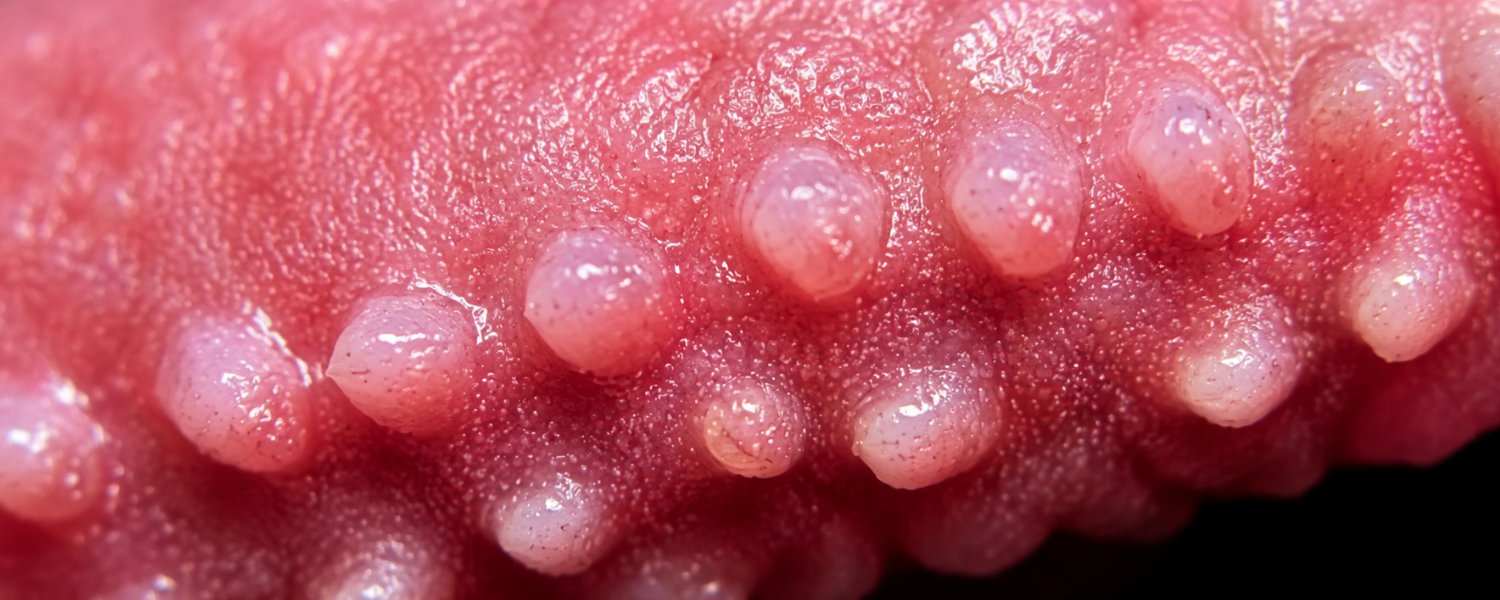
Pearly Penile Papules (PPP) are small, smooth, flesh-coloured or white bumps that typically appear in neat rows around the rim (corona) of the head of the penis. They are a common, harmless anatomical variation, not a sexually transmitted infection, not contagious, and not caused by poor hygiene or sexual activity. Although many men initially fear the bumps are a sign of disease, doctors recognise PPP as a normal finding. Understanding what PPP are and how they differ from other conditions is often the first step towards replacing anxiety with reassurance.

Quick Clinical Information & Reassurance from Dr Josh:
“One of the first things I explain to patients is that PPP are not something you’ve caught and not something you’ve caused. They are a recognised part of normal anatomy that doctors see regularly. For most men, the greatest challenge isn’t the papules themselves—it’s the uncertainty they create before they understand what they are.”
Understanding Pearly Penile Papules
For many men, discovering small bumps around the head of the penis immediately leads to worry. Because PPP are rarely discussed openly, they are often mistaken for sexually transmitted infections or other medical conditions. That misunderstanding is responsible for much of the anxiety surrounding them.
Pearly Penile Papules are small, smooth papules that usually form one or two symmetrical rows around the corona of the glans penis. They are considered a normal anatomical variation, meaning they are a natural feature found in many healthy men rather than a disease or infection.
PPP do not develop because of poor hygiene, sexual activity, masturbation, or anything you have done wrong. They are not contagious, cannot be passed to a partner, and are not linked to cancer or other serious illnesses. Most men experience no physical symptoms such as pain, itching or discharge, and many only notice the papules after examining themselves more closely or searching online following a moment of concern.
Doctors are usually able to recognise PPP through their characteristic appearance and location. When the features are typical, diagnosis is often straightforward, helping distinguish PPP from infections, genital warts and other causes of penile bumps.
Understanding what PPP are is often the turning point. Although the bumps themselves usually remain unchanged, the fear surrounding them often disappears once they are recognised as a harmless variation of normal anatomy. The following guides explore each aspect of PPP in greater detail, helping you understand not only what they are, but why they occur, how they are diagnosed, and what they mean for your health.
Explore Every Aspect of Pearly Penile Papules:
Appearance & Identification ➜
Learn how PPP look, where they appear, and the visual features doctors use to identify them.
Normality & Causes ➜
Discover why PPP are considered normal anatomy and what medicine currently understands about why they develop.
PPP Symptoms & Progression Explained ➜
PPP rarely cause physical symptoms. Understanding what is normal helps prevent unnecessary worry.
Diagnosis & Medical ➜
Understand how healthcare professionals diagnose Pearly Penile Papules, when further assessment may be appropriate, and where to find trusted medical information. These guides explain the clinical reasoning behind diagnosis, helping replace uncertainty with confidence.
Preventing PPP
If you have PPP, you may wonder whether there is anything you could have done to prevent them, or whether something you did caused them to develop. This guide looks at what is known about PPP prevention, including hygiene, sex, masturbation, circumcision and other factors, and separates what you can control from what you cannot.
Pearly Penile Papules Questions People Ask Most Often
Sometimes you simply need a clear answer to a specific question. This collection brings together concise, medically reviewed responses to the questions men ask most often about Pearly Penile Papules. PPP rarely cause physical symptoms. Understanding what is normal helps prevent unnecessary worry.
Understanding Why PPP Develop — And What You Can Control
If you have discovered Pearly Penile Papules, it is natural to wonder why they appeared and whether something you did caused them. This guide explains what is known about PPP, what may influence their development, and what you can — and cannot — do to prevent them.
Reassurance In Understanding What Are Pearly Penile Papules Are.
Most people do not arrive on this page because they are curious about anatomy. They arrive because they have noticed something unexpected and immediately fear the worst.
That reaction is understandable.
Anything unfamiliar affecting the genitals naturally raises questions about sexually transmitted infections, cancer, relationships, or future health. Before receiving accurate information, uncertainty often becomes more frightening than the physical finding itself.
Over the past 18 years, one lesson has become remarkably consistent. The greatest source of distress is rarely the papules themselves—it is not knowing what they are.
Once men understand that Pearly Penile Papules are recognised by doctors as a harmless anatomical variation, many begin to view the bumps differently. The appearance may be unchanged, but the meaning attached to it changes completely.
Knowledge replaces uncertainty.
Understanding replaces fear.
Confidence gradually replaces anxiety.
Our aim throughout this website is not simply to explain PPP, but to help you understand why experienced clinicians recognise them so confidently and why, for most men, reassurance is ultimately far more valuable than continued worry.
Knowledge gained from 18 years of clinically helping Men with Penile Papules
Dr Josh’s Direct Answer on What Are Pearly Penile Papules?
When men first learn the term PPP, they often want a clear explanation of what these bumps actually are. Dr Josh offers this direct answer to help you understand their appearance, cause, and why they’re considered a normal anatomical variation.
“One of the biggest misconceptions I see is that men think discovering PPP means something has gone wrong. In reality, I’m usually explaining the opposite. Pearly Penile Papules are a recognised, harmless anatomical variation that doctors identify regularly. Once someone understands what they are and why they occur, the fear that brought them to the clinic often begins to disappear.”
Frequently Asked Questions
Pearly Penile Papules are one of the most common harmless anatomical variations affecting the penis. For many men, understanding what they are is the moment fear gives way to reassurance and confidence.