

All educational content on this website is medically reviewed and overseen by Dr Joshua Berkowitz (MB ChB, FRCOG), a UK GMC-registered physician with over 18 years of experience helping men with Pearly Penile Papules and related concerns.
Hirsutoid Papilloma (Pearly Penile Papules)
Hirsutoid Papilloma is the medical term used to describe Pearly penile papules (PPP), a common and harmless anatomical variation found around the head of the penis.
If you’ve heard the term Hirsutoid Papilloma and want to understand what it means, this page explains the condition and how it relates to PPP.
Quick Answer
Hirsutoid papilloma is an older medical term used to describe Pearly penile papules (PPP). Although the word papilloma can sound alarming because it is often associated with viral growths, hirsutoid papillomas are not caused by human papillomavirus (HPV) and are not genital warts. They are a benign, naturally occurring feature of male anatomy that is recognised by healthcare professionals as a normal variant rather than a disease.
The term is still found in some medical literature and online resources, which can cause confusion for men researching penile bumps. However, modern clinical guidance generally favours the term Pearly Penile Papules because it more accurately reflects the condition and reduces confusion with HPV-related lesions. Both names refer to the same harmless condition, characterised by small, smooth, flesh-coloured or white papules arranged symmetrically around the corona of the penis.
Understanding that hirsutoid papilloma and Pearly Penile Papules describe the same benign condition can help reduce unnecessary anxiety and prevent confusion with sexually transmitted infections or other penile skin disorders.
Hirsutoid papilloma is not a disease, sexually transmitted infection, or cancerous condition.
Many men discover the term while searching for answers after noticing small bumps on the penis. In reality, PPP are medically recognised as normal, benign and non-contagious. Learn more about what Pearly penile papules are.
What Is Hirsutoid Papilloma?
Hirsutoid Papilloma is the medical term used to describe Pearly penile papules.
It refers to:
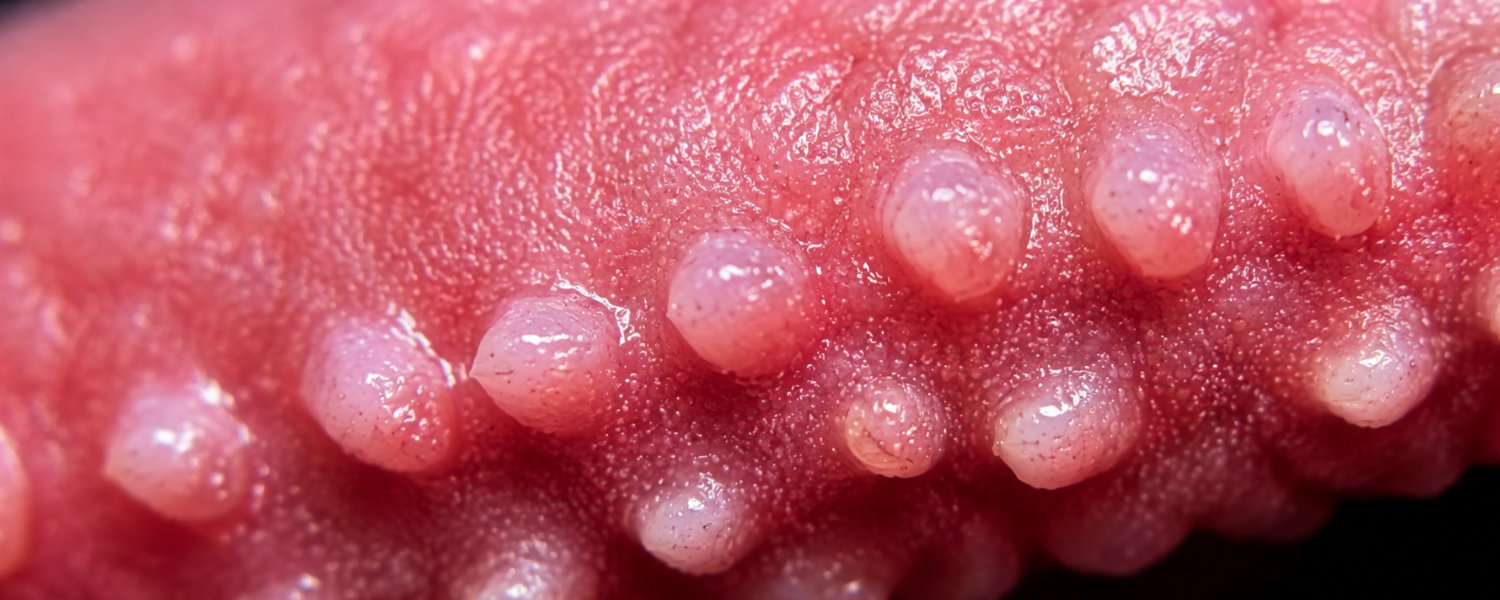
- Small, smooth, dome-shaped papules
- Arranged in one or more symmetrical rows
- Found around the corona (rim) of the glans penis
The term hirsutoid papilloma is often used in clinical literature, while Pearly Penile Papules is the more commonly used patient term. Doctors may also refer to PPP during examinations involving diagnosis of pearly penile papules.
For a full medical explanation, see our Complete Medical Guide to Pearly Penile Papules, which explains the condition, causes, diagnosis and treatment options in detail.
Are Pearly Penile Papules Normal?
Yes.
PPP are considered a normal anatomical variation of the penis, rather than a medical disease, particularly in uncircumcised men.
They:
- Usually appear after puberty
- Are more common in younger men
- May become less noticeable with age
- Do not indicate disease
What Causes Hirsutoid Papilloma?
The exact cause is not fully understood, but PPP are believed to be related to:
- Normal developmental anatomy
- Prominent penile papillae
- Hormonal changes during puberty
They are not caused by:
- Poor hygiene
- Sexual activity
- Masturbation
- Sexually transmitted infections
PPP develop naturally and are not caused by anything a man has done wrong.
Is Hirsutoid Papilloma an STI?
No.
Hirsutoid Papilloma is not an STI and has no connection to HPV, genital warts, or any other sexually transmitted condition. To find out exact differences read PPP vs STD differences.
PPP:
- Cannot be passed to a partner
- Do not require sexual health treatment
- Are not contagious
Hirsutoid Papilloma vs Genital Warts
PPP are often mistaken for genital warts or other penile conditions, but they are very different:
| Feature | Hirsutoid Papilloma (PPP) | Genital Warts |
|---|---|---|
| Cause | Normal anatomy | HPV infection |
| Appearance | Smooth, uniform papules | Rough, irregular growths |
| Pattern | Symmetrical rows | Random clusters |
| Colour | Flesh-coloured | Variable |
| Contagious | No | Yes |
| Requires treatment | No | Yes |
Understanding these differences can help reduce unnecessary anxiety and confusion. A trained clinician can usually diagnose Pearly Penile Papules during a visual examination.
Does Hirsutoid Papilloma Require Treatment?
No medical treatment is required.
However, some men choose removal because:
- They dislike the cosmetic appearance
- They feel anxious or self-conscious
- They want reassurance and clarity
- They experience sexual confidence issues
Removal is elective and cosmetic, not medically necessary.
Treatment Options for Pearly Penile Papules
Because PPP are harmless, treatment is not medically necessary.
However, some men still explore cosmetic removal options due to:
- Anxiety
- Self-consciousness
- Confidence
- Concerns
- Or personal preference
Professional treatment approaches may include:
- Hyfrecation/electrosurgery
- Laser treatment
- Or other specialist procedures
Any treatment should only be performed by an experienced medical professional.
Home remedies, acids, creams, freezing sprays and DIY treatments are strongly discouraged because they may damage sensitive penile skin.
You can learn more about professional PPP treatment options and the risks of treating PPP yourself.
What Happens If PPP Are Left Untreated?
Nothing harmful.
PPP:
- Will not spread
- Will not turn into cancer
- Will not cause pain
- Will not affect fertility or sexual function
Leaving them untreated is medically safe.
When to Seek Medical Advice
You should seek professional advice if:
- You are unsure whether you have PPP
- You are concerned about genital warts or infection
- You are considering cosmetic removal
- You want reassurance from an experienced clinician
Knowledge gained from 18 years of clinically helping Men with PPP
Final Reassurance
Hirsutoid papilloma, or pearly penile papules, is a medically harmless condition that affects many healthy men.
Although the appearance of PPP can initially cause concern, understanding the medical facts behind the condition often helps reduce unnecessary fear and anxiety.
For most men, reassurance and accurate diagnosis are far more important than treatment itself.
If you would like a complete overview covering symptoms, diagnosis, myths, treatment options and medical evidence, read our Complete Medical Guide to Pearly Penile Papules.