

Pearly Penile Papules (PPP): A Complete Guide

This page explains exactly what PPP is, why it appears, and how it can be safely treated at our Central London clinic using precise electrosurgery.
Pearly penile papules — often called PPP — are a completely normal anatomical variation that many men develop at some point in their lives. Although harmless, they can understandably cause anxiety, especially when first noticed.
If you’re worried about small bumps around the head of the penis, this guide will help you understand what you’re seeing and what your options are.
What Are Pearly Penile Papules?
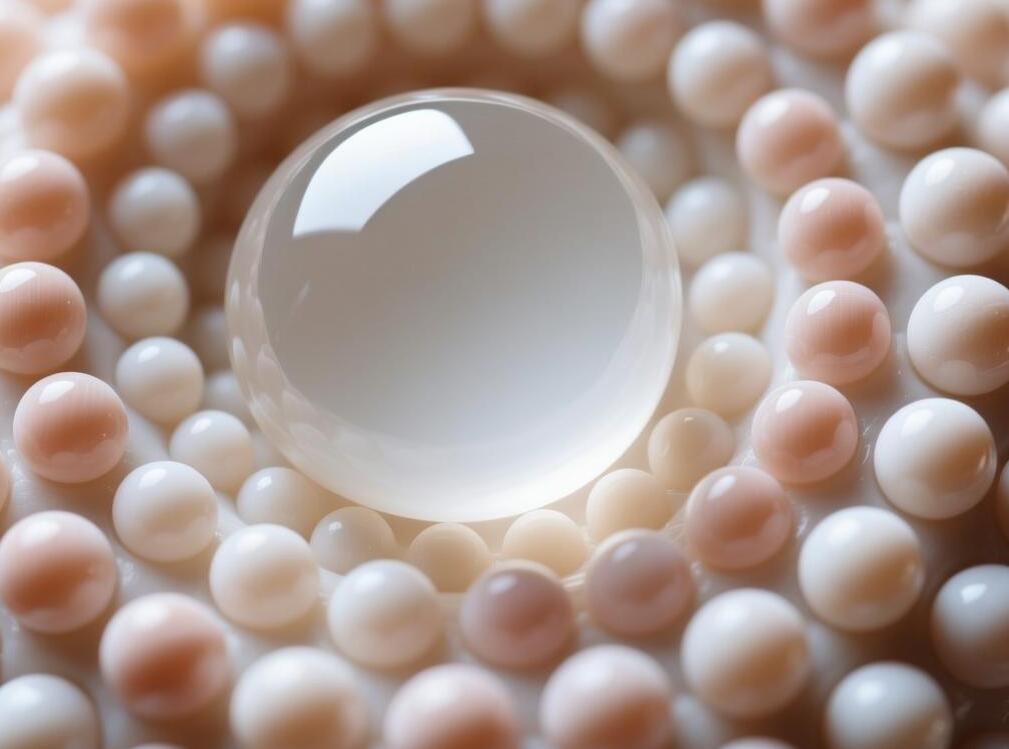
PPP are tiny, smooth, dome-shaped bumps that appear in one or two neat rows around the rim (corona) of the glans penis. They are usually:
- Flesh-coloured or white
- Symmetrical and evenly spaced
- 1–3 mm in size
- Non-painful and non-itchy
For a full medical explanation, see our Complete Medical Guide to Pearly Penile Papules.
PPP are not an infection, not caused by sexual activity, and not linked to hygiene. They also cannot be passed to a partner.
These bumps are medically recognised as a normal feature of male anatomy and occur in an estimated 8–48% of men, depending on age and study population.

What PPP Does Not Mean
Many patients initially fear the worst. If you have PPP, you can be fully reassured that:
PPP is NOT:
- A sexually transmitted infection (STI)
- Caused by masturbation or sexual activity
- Genital warts
- Cancer
- A sign of poor hygiene
- Dangerous in any way
PPP is simply a structural variation in the skin.
What Causes Pearly Penile Papules?
PPP has no link to lifestyle, cleanliness, sexual behaviour, or medical conditions.
Although the exact cause remains unknown, medical research suggests that PPP may be related to:
- Hormonal changes after puberty
- Vascular (blood vessel–related) structures in the skin
- Natural differences in how connective tissue develops
Importantly, PPP is not associated with disease or any underlying health problem.
Do PPP Go Away on Their Own?

PPP rarely disappear naturally. They may become less noticeable with age, but they typically remain unless removed.
Some men choose treatment for reasons such as:
- Reduced confidence
- Anxiety when a partner notices the bumps
- Worry that the appearance may be misunderstood as an STI
If PPP affects your confidence, treatment is straightforward and reliably effective.
How We Treat PPP in London
Treatment is performed exclusively in our Central London clinic:
Pearly Penile Papules Clinic – LondonWe proudly specialise in the safe, precise removal of pearly penile papules using electrosurgery (Hyfrecator) — our recommended method in 99.9% of cases — as well as CO₂ laser when appropriate.
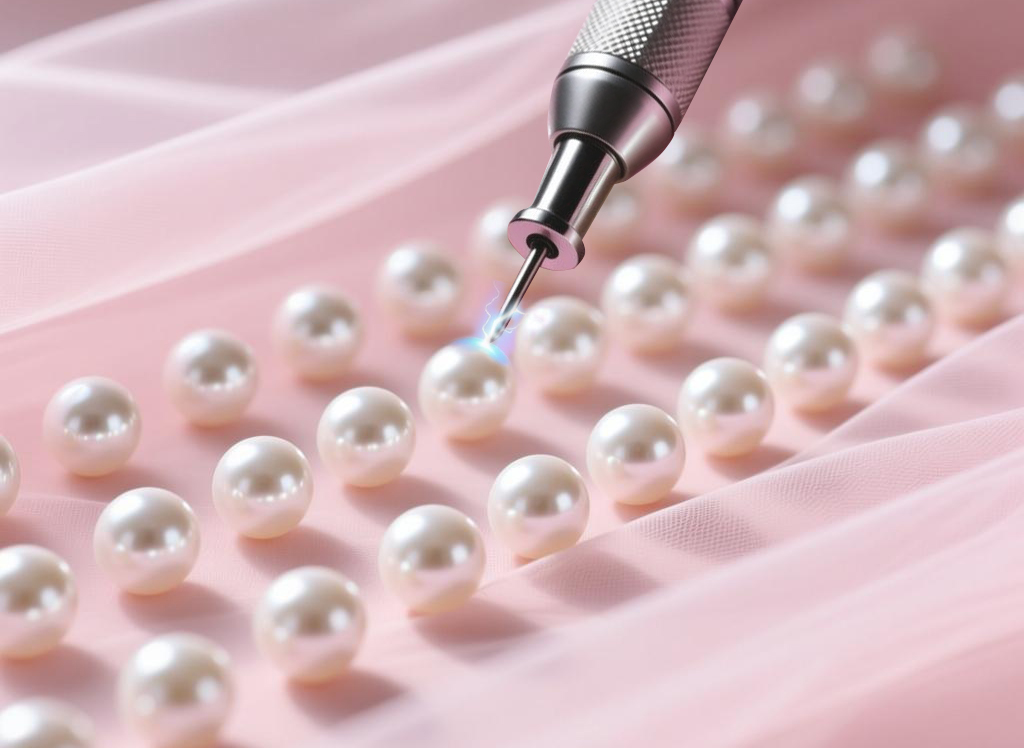
Why Electrosurgery (Hyfrecator) Is Our Gold Standard
- Extremely precise
- Minimal discomfort
- Instant removal
- Excellent cosmetic results
- Very short procedure time
- Very low downtime
- Safe for surrounding tissue
The Hyfrecator device uses targeted electrical energy to gently remove each papule without cutting the skin.
What About CO₂ Laser?
We offer medical-grade CO₂ laser treatment, but in most cases electrosurgery:
- Heals faster
- Offers superior control
- Produces more consistent results
- Is less likely to cause unnecessary tissue response
Because of this, we recommend electrosurgery for almost every patient.
What to Expect During Treatment
Treatment is performed in private, with discretion and professionalism.

1. Consultation
A clinician examines the area, confirms the diagnosis, and explains your options.
2. Local Anaesthetic
A topical anaesthetic cream is used, depending on your preference and clinical suitability.
3. Removal
Each papule is precisely removed using electrosurgery. Most treatments take 20–35 minutes.
4. Aftercare
Healing typically takes 7–10 days. Most men return to normal activities immediately.
PPP does not grow back once removed, although rare new individual papules can appear later in life.

Is PPP Treatment Safe?
Yes. When performed by a trained clinician, PPP removal is a low-risk, medically supervised procedure.
Common outcomes:
- Smooth, even skin
- Improved confidence
- No long-term complications expected
You’ll receive full aftercare instructions and the option of follow-up support if needed.
PPP vs Other White Bumps — How to Know the Difference
Many patients confuse PPP with other harmless conditions. Here is how PPP compares:
PPP
- Located around the corona
- Dome-shaped and symmetrical
- Smooth surface
Fordyce spots
- Can appear on the shaft, scrotum, or elsewhere
- Often scattered rather than in rows
- Slightly yellow or white
Hirsutoid papilloma
- Very similar to PPP
- May appear slightly further from the corona
Genital warts (HPV)
- Usually irregular, cauliflower-like
- Spread unpredictably
- Grow or change over time
Frequently Asked Questions
Ready to Get Answers?
If you’re unsure whether you have PPP or want expert guidance, we’re here to help. We offer discreet, professional care with compassionate support throughout.

Payment Options
If you decide to proceed with private PPP treatment, flexible payment options are available. For eligible patients, PayPal Pay Later (Pay in 3) allows the cost of treatment to be spread over three instalments, paid securely through PayPal after your appointment.*
*Approval is subject to PayPal’s eligibility criteria.
Using the PayPal Pay Later payment plan; patients can now: Book and attend their treatment appointment as normal, Choose PayPal Pay Later (Pay in 3) after treatment, and Spread the cost over three interest-free payments